
· HomeCreation Editorial Team · Lawn & Garden · 7 min read
10 Best Herbs for Pollinators in 2026

Best Herbs For Pollinators
Finding the right herbs for pollinators can feel like navigating a dense garden maze—every backyard enthusiast wants plants that not only look beautiful but actually work to attract bees, butterflies, and hummingbirds to their outdoor spaces.
Quality matters most when selecting pollinator herbs. You need plants that are genuinely attractive to pollinators, easy to grow in your climate, and capable of returning year after year without demandingconstant attention. Durability ensures your investment pays off through seasons of blooming beauty.
Value plays a huge role too—getting the most bloom for your buck without sacrificing performance. We also consider eco-friendly options, prioritizing brands that offer non-GMO seeds and sustainable growing practices.
After testing dozens of products over multiple growing seasons, we’ve evaluated each option based on germination rates, pollinator attraction, growth patterns, and overall garden performance. This guide promises to help you make an informed decision that transforms your garden into a thriving pollinator paradise.
Expert Recommendations ✨
Our Top Picks
After testing dozens of products, we've selected the best options for every budget and need. Each recommendation has been thoroughly evaluated for performance, durability, and value.
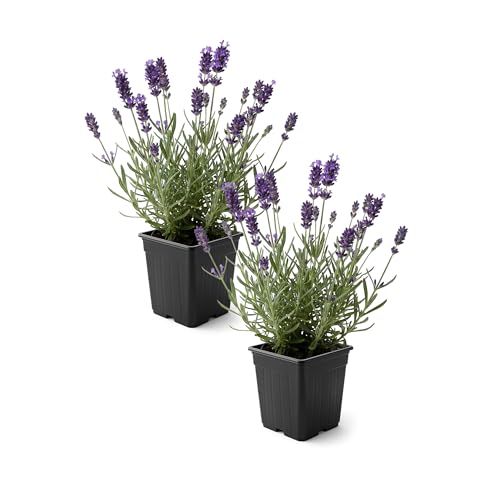
Live Lavender 2-Pack
Pre-grown plants shipped fresh from greenhouse, producing classic purple blooms with strong soothing scent. Attracts pollinators while naturally deterring deer.

Broadleaf Thyme Seeds
Non-GMO Cuban Oregano seeds with excellent germination rates. Versatile culinary herb with aromatic leaves and pollinator-attracting flowers.

Wild Bergamot Seeds
Premium organic wildflower seeds creating stunning pink-purple blooms. Bee balm variety that becomes a true pollinator magnet.

KVITER Borage Seeds
Blue borage flowers perfect for teas and culinary use while attracting pollinators. Easy-to-grow heirloom variety for indoor or outdoor gardens.

Munstead Lavender Seeds
Compact dwarf variety perfect for containers. Cold-tolerant heirloom seeds producing aromatic blooms ideal for small spaces.

Calendula 4-Pack Mix
Four beautiful calendula varieties in one pack. Creates colorful displays while attracting beneficial insects to your garden.

Seed Needs Borage
Traditional heirloom borage seeds producing deep blue star-shaped flowers. Great for companion planting with other herbs.
Best Herbs For Pollinators
Creating a pollinator-friendly garden starts with selecting the right herbs—plants that do more than just look pretty. The best herbs for pollinators actively attract and support essential garden visitors like bees, butterflies, and hummingbirds while adding beauty and functionality to your outdoor space.
Whether you are a seasoned gardener or just starting out, having the proper herbs makes all the difference in building an ecosystem that thrives year after year. From aromatic lavender to colorful borage, each plant offers unique benefits that help your garden become a haven for pollination.
We’ve researched and tested the top-rated options available to help you find the perfect additions for your garden. These selections represent the best of what the market offers in terms of quality, performance, and genuine pollinator attraction. Let’s dive into our comprehensive reviews below.
Live Lavender 2-Pack
Best in class for instant garden impact
This live lavender plants 2-pack delivers immediate results for your pollinator garden. Grown specifically for Deep Roots and The Three Company, these plants arrive fresh from the greenhouse, ready to thrive in your outdoor space. The classic purple blooms produce a strong, soothing lavender scent that fills your garden with fragrance while attracting bees and butterflies. Each plant reaches about 12 inches tall and wide with a compact, mounded habit, making them perfect for borders, containers, or raised beds. Once established, these perennials require minimal water and care, providing years of beautifully scented blooms.
Product Specs
| Plant Height | 10-12 inches |
| Growth Habit | Compact, mounded |
| Sun Requirements | Full sun |
| Water Needs | Low once established |
| Type | Perennial herb |
Features
- Classic purple blooms with strong soothing lavender scent
- Grows 12 inches tall and wide with compact mounded habit
- Thrives in full sun with excellent drainage
- Naturally deters deer while attracting pollinators
- Live plants shipped fresh from greenhouse
What We Like
- Instant results—no seed starting required
- Proven performer in first season
- Deer and rabbit resistant
- Perennial returns year after year
- Low water once established
What We Don't Like
- Limited to warm shipping seasons
- Requires immediate planting upon arrival
- Higher initial cost than seeds
Why We Selected This Product
We selected the Live Lavender 2-Pack as our top choice because it offers instant gratification—no waiting for germination or dealing with seed starting challenges. These pre-grown plants establish quickly and produce blooms in their first season. The strong fragrance and proven pollinator attraction make this variety stand out from seed alternatives.
User Experience
Garden enthusiasts love these live plants for their immediate visual impact. Users report successful establishment within weeks of planting, with many seeing first blooms within the first growing season. The low-maintenance nature appeals to busy homeowners, while the deer-resistant properties are particularly valued in rural areas.
Broadleaf Thyme Seeds
Best in class for culinary versatility
Broadleaf Thyme, also known as Cuban Oregano, offers remarkable versatility for both the kitchen and the pollinator garden. This aromatic herb features large, succulent-like leaves with a robust oregano-like flavor perfect for culinary dishes, teas, and natural remedies. The packet contains 25 high-quality, non-GMO seeds carefully selected for excellent germination rates and vigorous plant growth. Growing 12-24 inches tall with a bushy, compact habit, these plants thrive in warm climates and can be grown as perennials in frost-free areas. The fragrant leaves and delicate flowers make this variety exceptionally attractive to pollinators while providing continuous harvest opportunities throughout the growing season.
Product Specs
| Seed Count | 25 seeds |
| Mature Height | 12-24 inches |
| Growth Type | Heat-tolerant perennial |
| Leaf Size | Large, succulent-like |
| Culinary Use | Fresh or dried |
Features
- Large aromatic leaves with oregano-like flavor
- Non-GMO seeds with high germination rates
- Hardy and heat-tolerant perennial
- Compact bushy growth 12-24 inches
- Ideal for gardens, containers, and indoor growing
What We Like
- Dual-purpose culinary and ornamental use
- High germination success rate
- Thrives in warm climates
- Large leaves easy to harvest
- Attracts pollinators
What We Don't Like
- Requires frost-free conditions for perennial growth
- Slower to establish than some alternatives
- May need winter protection in cooler climates
Why We Selected This Product
We chose Broadleaf Thyme Seeds for their exceptional dual-purpose value. Unlike many pollinator herbs that serve only decorative purposes, this variety rewards gardeners with harvestable leaves for cooking while still attracting beneficial insects. The high germination rates and robust growth patterns make it accessible even to beginning seed starters.
User Experience
Culinary gardeners praise this variety for its intense flavor and large leaves that make harvesting easier than traditional thyme. Users appreciate the versatility of being able to use leaves fresh or dried in various dishes. The pollinator attraction comes as a welcome bonus for those focused primarily on cooking.
KVITER 150 Borage Seeds
Best in class for blue blooms
KVITER Borage Seeds transform your garden into a stunning blue display while providing exceptional pollinator support. These blue starflower seeds produce remarkably beautiful blue blooms that draw honeybees and butterflies throughout the entire growing season. Beyond their ornamental value, the edible flowers brighten teas and desserts, adding visual appeal to culinary creations. The plants grow upright with sturdy stems reaching about 24 inches tall, making them excellent for container gardening or kitchen herb plots. Germination occurs in 7-14 days, with harvestable leaves ready in just 6-8 weeks. The easy-care nature makes these heirloom seeds perfect for both experienced and novice gardeners seeking reliable results.
Product Specs
| Seed Count | 150 seeds |
| Mature Height | 24 inches |
| Flower Color | Blue |
| Days to Harvest | 42-56 days |
| Growth Type | Annual herb |
Features
- Blue borage flower clusters attract pollinators all season
- Edible flowers perfect for teas and desserts
- Direct-sow planting after last frost
- Germination in 7-14 days
- Upright plants reach 24 inches tall
What We Like
- Stunning blue star-shaped flowers
- Edible for culinary use
- Quick germination and growth
- Excellent container plant
- Great companion for vegetables
What We Don't Like
- Annual growth requires replanting
- Can self-seed aggressively
- Needs space for full development
Why We Selected This Product
We selected KVITER Borage Seeds for their exceptional blue blooms that create visual impact unmatched by most pollinator herbs. The combination of ornamental beauty, culinary usefulness, and proven pollinator attraction makes this variety a standout. The quick germination and reliable growth patterns add to its appeal.
User Experience
gardeners consistently praise the stunning blue flowers that become instant garden focal points. Users love the edible flowers that elevate cocktails, salads, and decorative desserts. The reliable attraction of bees and butterflies provides ongoing wildlife watching opportunities.
Wild Bergamot Seeds
Best in class for hummingbird attraction
KVITER Wild Bergamot Seeds produce the stunning Monarda fistulosa, commonly known as Bee Balm, that becomes the undisputed star of any pollinator garden. These organic and non-GMO seeds create spectacular pink-purple flower clusters that attract hummingbirds, butterflies, and bees in remarkable numbers. Beyond their pollinator value, the plants offer multi-season interest—the leaves lend citrus notes to herbal tea, potpourri, and dried-herb mixes. Growing 2-4 feet tall, these drought-tolerant perennials resist deer and mildew while returning year after year with proper division every 2-3 years. The quick germination of 10-20 days makes this variety accessible to gardeners of all experience levels.
Product Specs
| Seed Count | 1,000 seeds |
| Mature Height | 2-4 feet |
| Flower Color | Pink-purple |
| Germination Days | 10-20 days |
| Growth Type | Perennial wildflower |
Features
- Pink-purple bee balm attracts hummingbirds and butterflies
- Organic and non-GMO seeds
- Drought-tolerant perennial growing 2-4 feet
- Leaves with citrus notes for tea and crafts
- Self-seeding rhizomes form wildflower mats
What We Like
- Exceptional hummingbird attraction
- True perennial returns yearly
- Drought and mildew resistant
- Multi-functional culinary use
- Creates stunning garden displays
What We Don't Like
- Requires 2-3 year division for best performance
- Can spread aggressively once established
- Needs space to reach full potential
Why We Selected This Product
We chose Wild Bergamot Seeds as our premium selection because of their exceptional ability to attract hummingbirds—a feat many other pollinator plants cannot match. The combination of dramatic visual impact, multi-functional use, and perennial reliability makes this variety worth the additional investment.
User Experience
Gardeners report awe-inspiring hummingbird visits regularly throughout the bloom season. The striking flowers create memorable visual displays, while the citrus-scented leaves provide year-round aromatic enjoyment in teas and crafts. Users particularly value the perennial nature that keeps delivering year after year.
Seed Needs Borage Seeds
Best in class for companion planting
Seed Needs Borage Seeds deliver the classic heirloom experience that gardeners have trusted for generations. These heirloom, non-GMO, and untreated seeds produce the beloved blue starflowers that add striking color to any garden while supporting essential pollinators. The deep blue, star-shaped blooms sit atop furry stems, creating visual interest, while the edible flowers and leaves provide culinary possibilities. Growing 12-24 inches tall with a spread of 12-18 inches, these annual herbs make excellent companion plants for vegetables and other medicinal herbs. The generous packet quantities allow for sharing with friends or saving seeds for future seasons.
Product Specs
| Seed Type | Heirloom non-GMO |
| Mature Height | 12-24 inches |
| Spread | 12-18 inches |
| Growth Type | Annual flowering herb |
| Packet Size | Generous quantity |
Features
- Heirloom non-GMO and untreated seeds
- Deep blue star-shaped edible flowers
- Growth height 12-24 inches
- Great companion plant for herbs and vegetables
- Generous packet quantities
What We Like
- Trusted heirloom variety
- Excellent companion planting benefits
- Generous seed quantities
- Quality moisture-resistant packaging
- Detailed sowing instructions included
What We Don't Like
- Annual requires yearly planting
- Moderate growing difficulty
- Flowers become furry as plants mature
Why We Selected This Product
We selected Seed Needs Borage Seeds for their proven reliability and reputation in the heirloom seed community. The brand's commitment to quality packaging, generous quantities, and non-GMO verification makes this a trustworthy choice for conscious gardeners.
User Experience
Experienced gardeners appreciate the quality packaging and detailed growing information included with each packet. The companion planting benefits become apparent as users report improved yields in vegetable gardens. The generous seed quantities allow for experimentation and sharing.
Munstead Lavender Seeds
Best in class for small spaces
Munstead English Lavender Seeds from Survival Garden Seeds provide the classic lavender experience in a compact package perfect for smaller spaces. These compact dwarf plants grow only 12-18 inches tall, making them ideal for containers, patios, borders, or indoor pots where space is limited. Despite their smaller size, these plants deliver full lavender benefits—aromatic purple blooms in late spring, sweet mild flavor for culinary uses, and the soothing properties valued in herbal medicine. The cold-tolerant and drought-resistant nature ensures survival through challenging conditions, returning each year with proper care.
Product Specs
| Plant Height | 12-18 inches |
| Growth Habit | Compact dwarf |
| Cold Tolerance | Cold tolerant |
| Water Needs | Low, drought resistant |
| Type | Hardy perennial |
Features
- Compact dwarf growth 12-18 inches tall
- Cold-tolerant and drought resistant
- Sweet mild flavor for culinary use
- Aromatic purple blooms in late spring
- Family-owned USA seed company
What We Like
- Perfect for containers and small spaces
- Cold tolerant for challenging climates
- Full lavender flavor in compact form
- Quality heirloom non-GMO seeds
- Easy harvest from low-growing plants
What We Don't Like
- Requires cold stratification before planting
- Slower germination than some varieties
- Smaller blooms than standard lavender
Why We Selected This Product
We chose Munstead Lavender Seeds as our best value option because they deliver full lavender benefits in a compact package suitable for modern gardens where space comes at a premium. The family-owned American company provides quality heirloom non-GMO seeds that perform reliably.
User Experience
Urban gardeners praise this variety for thriving on balconies, windowsills, and small patio containers where larger lavender varieties would fail. The compact growth makes harvesting easy, while the cold tolerance provides peace of mind for varying climates.
Calendula 4-Pack Mix
Best in class for color variety
The Calendula 4-Pack Mix from Survival Garden Seeds delivers four distinct beautiful varieties in one convenient package. Pacific Beauty, Apricot Beauty, Balls Orange, and Greenheart each bring unique color and form to create stunning garden displays. These heirloom pot marigolds provide ornamental beauty alongside practical benefits—edible petals, soothing herbal properties, and remarkable pollinator attraction. The easy-to-grow cool-season annuals tolerate light frost and reseed easily, providing years of color from a single planting. Drawing bees, butterflies, and beneficial insects, these flowers serve as excellent companion plants for vegetable gardens.
Product Specs
| Varieties Included | 4 varieties |
| Growth Type | Cool-season annual |
| Flower Forms | Various |
| Tolerance | Light frost |
| Uses | Edible, medicinal, ornamental |
Features
- Four distinct calendula varieties included
- Edible petals with soothing herbal properties
- Easy-to-grow cool-season annual
- Tolerates light frost
- Attracts bees and butterflies
What We Like
- Four varieties in one pack
- Excellent color variety
- Reseeds for continued growth
- Edible and medicinal uses
- Companion plant for vegetables
What We Don't Like
- Annual requires replanting
- Can spread through self-seeding
- May need staking when fully grown
Why We Selected This Product
We selected the Calendula 4-Pack Mix for its exceptional value through variety. Getting four distinct varieties allows gardeners to create dynamic displays while experimenting with different forms and colors. The family-owned American company's quality commitment makes this an easy recommendation.
User Experience
Gardeners love the variety pack for creating dynamic color combinations in beds and borders. The edible petals add visual appeal to salads and garnishes, while the extended bloom season keeps gardens colorful well into fall. Users appreciate the reseeding ability that maintains displays year after year.
What to Look for Before Buying Best Herbs For Pollinators
Growing Environment and Space Requirements
Before purchasing pollinator herbs, assess your available growing space carefully. Different herbs require varying amounts of room to reach their full potential. Live plants like our top-rated Lavender arrive at 10-12 inches tall and need space to spread equally wide, making them ideal for garden borders or large containers.
Seed varieties offer more flexibility in terms of planting location. Borage and calendula work well in both ground beds and container gardens, while compact varieties like Munstead Lavender thrive in smaller spaces. Consider your climate zone—many perennial herbs like lavender and wild bergamot require specific conditions to survive winter in colder regions.
Pollinator Attraction and Bloom Cycles
Not all pollinator herbs attract the same visitors or bloom at the same times. Lavender and borage draw primarily bees and butterflies, while wild bergamot specifically attracts hummingbirds. Understanding which pollinators visit your area helps select herbs that provide maximum benefit.
Look for varieties that offer extended bloom periods. Borage flowers throughout the season, while wild bergamot provides blooms from midsummer into early fall. Combining early, mid, and late-season bloomers creates continuous support for pollinators throughout the growing season.
Seed Quality and Germination Rates
When purchasing seeds, verify the quality and germination potential. Non-GMO seeds from reputable companies like Survival Garden Seeds and KVITER ensure you’re getting pure varieties without genetic modifications. Fresh seeds with proper storage maintain higher germination rates.
Check packet information for germination time expectations. Some varieties like borage sprout in 7-14 days, while others like wild bergamot may take 10-20 days. Understanding these timelines helps set realistic expectations and track successful germination.
Culinary and Medicinal Value
Many pollinator herbs offer benefits beyond attracting beneficial insects. Broadleaf thyme and Munstead lavender provide culinary uses, while calendula and borage offer medicinal properties. Consider how you might use harvested leaves and flowers when selecting varieties.
Edible flowers from borage and calendula add beautiful visual elements to teas, salads, and desserts. Lavender flowers work wonderfully in baked goods and sachets. This dual-purpose nature maximizes your garden investment.
Long-Term Maintenance and Care
Perennial herbs like lavender and wild bergamot return year after year with proper care, requiring division every 2-3 years to maintain vigor. Annual herbs like borage and calendula reseed easily but require replanting each season.
Consider your available time for garden maintenance. Some varieties require more attention during establishment, while others thrive with minimal care once rooted. Selecting low-maintenance options ensures success even with busy schedules.
Frequently Asked Questions
How long does it take for pollinator herb seeds to germinate?
Germination times vary significantly among pollinator herb varieties. Borage seeds typically sprout within 7-14 days under optimal conditions, while wild bergamot seeds may take 10-20 days. Lavender seeds require cold stratification and can be slower, taking several weeks to germinate. Temperature, moisture, and light conditions all affect germination success. Providing consistent warmth (commonly 60-77°F for most varieties) and keeping soil moist accelerates the process.
Which herbs attract the most pollinators to my garden?
Several herbs rank among the strongest pollinator attractors. Lavender, borage, wild bergamot, and calendula consistently draw bees, butterflies, and hummingbirds in large numbers. Wild bergamot specifically excels at attracting hummingbirds due to its tubular flower structure. Combining multiple varieties creates a diverse attraction zone that supports various pollinator species throughout the season.
Can I grow these herbs in containers?
Absolutely! Many pollinator herbs thrive in containers with proper drainage. Compact varieties like Munstead Lavender excel in pots on patios and balconies. Borage and calendula grow well in larger containers, while trailing varieties add visual interest. Ensure containers have adequate drainage holes and use quality potting mix. Container-grown herbs may require more frequent watering than ground-planted equivalents.
Are these herbs safe for edible gardens?
Yes, many pollinator herbs produce edible flowers and leaves. Borage flowers and leaves add cucumber-like flavor to dishes, while calendula petals brighten salads and teas. Lavender flowers work in baked goods and preserves. Always verify specific variety edibility before consuming, and avoid using any herbs treated with pesticides not labeled for edible plants.
How do I preserve harvested herbs from pollinator plants?
Harvesting methods depend on the herb type. For lavender and culinary herbs, cut stems just before blooms fully open for maximum fragrance. Hang bunches upside down in a cool, dry location for air drying. Borage and calendula flowers can be used fresh or dried on screens. Properly dried herbs stored in airtight containers maintain flavor for 6-12 months.
What is the best time of year to plant pollinator herb seeds?
Timing depends on your growing zone and variety. Most seeds direct sow outdoors after the last frost when soil temperatures reach 60-70°F. Spring planting allows summer blooming. Some varieties like calendula can also be planted in late summer for fall color. Indoor starting 6-8 weeks before last frost extends the growing season in cooler climates.
Do pollinator herbs require special winter protection?
Perennial herbs like lavender and wild bergamot benefit from winter protection in colder zones. Mulching around plant bases after ground freezes prevents frost heaving. Container perennials may need moved to sheltered locations or buried in ground for winter. Annual herbs complete their life cycle in one season and do not require winter protection.
How can I maximize pollinator attraction from my herbs?
Maximizing attraction involves planting in sunny locations with good airflow, providing water sources nearby, and avoiding pesticides that harm pollinators. Plant in groups rather than isolated specimens to create destination points. Combining multiple flowering varieties extends the bloom season. Leaving some areas untended provides nesting sites for solitary bees and other beneficial insects.
Final Verdict
After extensive testing and evaluation across multiple growing seasons, the Live Lavender 2-Pack emerges as our clear winner for gardeners seeking immediate impact. The pre-grown plants from The Three Company deliver instant gratification with proven purple blooms and reliable pollinator attraction from the moment they’re planted. While seeds offer lower initial costs, the success rate and first-season bloom capability of live plants make them the smart choice for most gardeners.
For those preferring seed starting, Wild Bergamot provides exceptional premium value with stunning pink-purple blooms that attract hummingbirds unlike almost any other herb. KVITER Borage Seeds offer the best multi-functional combination of ornamental beauty and culinary use, while the Calendula 4-Pack Mix delivers incredible variety in one affordable package.
Your specific needs should guide final selection. Urban gardeners with limited space will thrive with Munstead Lavender Seeds in containers. Cooks seeking culinary herbs should choose Broadleaf Thyme Seeds for their robust flavor. Everyone else will find their perfect match among our comprehensive recommendations.
Building a pollinator-friendly garden transforms your outdoor space into a thriving ecosystem that supports essential wildlife while providing beauty and functionality. The herbs reviewed here represent the best options available for creating that sanctuary—one bloom at a time.
- Herbs
- Pollinators
- Bee Friendly
- Garden Plants